


Mogu li se LiFePO4 baterije koristiti u hladnom vremenu? Potpuni vodič za LiFePO4 baterije zimi
LiFePO4 baterija zimi performanse su važan čimbenik za svakoga tko koristi litij željezo fosfatne baterije u hladnim klimama. Bilo da vam treba baterija za kamp-kućicu, sustav za pohranu solarne energije, aplikaciju izvan mreže ili sustav za rezervno napajanje, niske temperature mogu utjecati na kapacitet baterije, punjenje, trajanje rada i ukupne performanse.
Dakle, mogu li se LiFePO4 baterije koristiti zimi?
Da. LiFePO4 baterije mogu se koristiti u hladnom vremenu, ali ih treba koristiti unutar temperaturnog raspona koji je propisao proizvođač. Posebno, punjenje LiFePO4 baterije na temperaturama ispod točke smrzavanja zahtijeva posebnu pažnju.
Za pouzdano LiFePO4 baterija zimi postavljanje trebali biste razumjeti razliku između punjenja i pražnjenja u hladnom vremenu, provjeriti radnu temperaturu baterije i odabrati bateriju s odgovarajućom zaštitom za niske temperature.

Što se događa s LiFePO4 baterijama zimi?
Razumijevanje LiFePO4 baterija zimi performansi počinje razumijevanjem kako niske temperature utječu na ćelije.
Kako temperatura pada, elektrokemijske reakcije unutar LiFePO4 baterije usporavaju. To povećava unutarnji otpor i može privremeno smanjiti količinu energije i snage koju baterija može isporučiti.
Tijekom zime možete primijetiti:
- Niži raspoloživi kapacitet baterije
- Smanjenu snagu pražnjenja
- Veći pad napona pod velikim opterećenjima
- Kraće trajanje rada
- Sporije punjenje
- Nižu ukupnu učinkovitost na izuzetno niskim temperaturama
Ovi učinci ne znače nužno da je baterija oštećena. U mnogim slučajevima performanse se poboljšavaju kako se baterija vraća na topliju radnu temperaturu.
Zato zimske performanse LiFePO4 baterije ovise ne samo o nazivnom kapacitetu baterije već i o temperaturi ćelija tijekom stvarnog rada.
Na primjer, LiFePO4 baterija od 100Ah možda neće pružiti isto praktično trajanje rada u izuzetno hladnim uvjetima kao što bi to činila na sobnoj temperaturi.
Koja je radna temperatura LiFePO4 baterije?
Radna temperatura LiFePO4 baterije varira ovisno o proizvođaču ćelija, dizajnu baterije, BMS-u i primjeni.
Mnoge LiFePO4 baterije imaju specifikacije slične ovima:
| Radni uvjet | Tipični raspon |
|---|---|
| Pražnjenje | Oko -20°C do 60°C |
| Punjenje | Obično 0°C do 45°C |
| Skladištenje | Ovisi o proizvođaču |
Ove vrijednosti su samo opći primjeri. Uvijek provjerite tehnički list proizvođača za točne temperaturne granice vaše baterije.
Za LiFePO4 baterija zimi primjene, temperatura punjenja je posebno važna.
Baterija može biti sposobna za pražnjenje na temperaturama ispod nule, dok istovremeno ne može sigurno prihvatiti punjenje na istoj temperaturi.
Stoga, pri odabiru baterije za zimsku upotrebu, nemojte gledati samo maksimalnu i minimalnu radnu temperaturu. Provjerite temperaturu punjenja i temperaturu pražnjenja zasebno.
Mogu li se LiFePO4 baterije puniti na hladnom?
Jedno od najvažnijih pitanja o LiFePO4 baterija zimi upotrebi je može li se baterija puniti kada temperature padnu ispod nule.
Za standardne LiFePO4 baterije, punjenje ispod 0°C (32°F) općenito se ne preporučuje osim ako baterija nije posebno dizajnirana za punjenje na niskim temperaturama.
To je zato što punjenje litij-ionskih baterija na temperaturama ispod nule može uzrokovati litijsku pločicu unutar ćelija. Ponavljano punjenje na niskim temperaturama može trajno smanjiti kapacitet i može utjecati na životni vijek i sigurnost baterije.
Iz tog razloga, pravilno dizajniran LiFePO4 baterija zimi sustav trebao bi imati metodu za sprječavanje punjenja kada je baterija prehladna.
Kako funkcionira zaštita od punjenja na niskim temperaturama?
Baterija s BMS-om za zaštitu temperature može pratiti temperaturu ćelije tijekom rada.
Kada temperatura padne ispod minimalne granice punjenja, BMS može automatski:
- Otkriva nisku temperaturu baterije
- Zaustaviti proces punjenja
- Spriječiti ulaz struje u ćelije
- Nastaviti punjenje nakon što baterija dosegne sigurnu temperaturu
Ova zaštita je posebno korisna za kampere, vanjske solarne sustave, off-grid sustave i druge primjene gdje baterije mogu biti izložene zimskim temperaturama.
Ako redovito trebate LiFePO4 baterija zimi punjenje, potražite bateriju koja uključuje zaštitu od punjenja na niskim temperaturama ili integrirani sustav grijanja.
Rade li LiFePO4 baterije ispod nule?
Da, mnoge LiFePO4 baterije mogu se i dalje prazniti ispod nule, pod uvjetom da temperatura ostane unutar raspona pražnjenja koje je odredio proizvođač.
Međutim, zimske performanse LiFePO4 baterije obično će biti niže nego performanse na umjerenim temperaturama.
Niske temperature mogu rezultirati:
- Nižim uporabnim kapacitetom
- Višim unutarnjim otporom
- Većim padom napona
- Smanjenom vršnom snagom
- Kraće trajanje rada
Smanjenje performansi može varirati ovisno o dizajnu baterije i uvjetima rada.
Na primjer, baterija koja napaja opterećenje velikog strujnog intenziteta može doživjeti primjetniji pad napona u hladnom vremenu nego ista baterija koja radi na umjerenoj temperaturi.
Ovo je važan čimbenik pri dizajniranju LiFePO4 baterija zimi sustava za opremu velike snage.
Zimske performanse i radno vrijeme LiFePO4 baterije
Radno vrijeme baterije je još jedan važan faktor za razmotriti tijekom zime.
Kad temperature padnu, dostupni kapacitet LiFePO4 baterije može se smanjiti. Kao rezultat, baterija koja obično pruža određeno radno vrijeme može pružiti manje uporabne energije u vrlo hladnim uvjetima.
Međutim, to ne znači nužno da je baterija trajno izgubila kapacitet.
U mnogim slučajevima, performanse u hladnom vremenu su privremene. Kad se baterija zagrije do odgovarajuće radne temperature, njezin dostupni kapacitet i izlazna snaga mogu se poboljšati.
Stoga, pri procjeni LiFePO4 baterija zimi performansi, uzmite u obzir i temperaturu baterije i očekivano opterećenje.
Za primjene s visokim energetskim zahtjevima posebno je važno ostaviti dovoljan margin kapaciteta umjesto da se baterija dimenzionira samo prema idealnim uvjetima sobne temperature.
Kako koristiti LiFePO4 baterije zimi
Ispravna instalacija može značajno utjecati na LiFePO4 baterija zimi performanse.
Ako planirate koristiti LiFePO4 bateriju tijekom zime, slijedite ove praktične preporuke.
1. Instalirajte bateriju na zaštićeno mjesto
Kad god je moguće, instalirajte bateriju u zatvorenom i zaštićenom prostoru.
Avoid placing the battery where it is directly exposed to:
- Snow
- Freezing rain
- Strong wind
- Extreme overnight temperatures
- Uncontrolled outdoor conditions
A protected installation can help keep the battery within a more stable temperature range.
2. Avoid Charging a Frozen Battery
Never assume that a battery can be charged simply because it can still discharge.
If the battery temperature is below its specified minimum charging temperature, allow the battery to warm up before charging.
This is one of the most important rules for safe LiFePO4 baterija zimi operation.
3. Use Low-Temperature BMS Protection
A reliable BMS should monitor battery temperature and provide protection against unsafe charging conditions.
For winter applications, look for:
- Low-temperature charging cutoff
- Temperature sensors
- Over-temperature protection
- Over-current protection
- Short-circuit protection
4. Consider a Heated Battery
For very cold environments, a LiFePO4 battery with integrated heating can be a useful option.
The heating system can warm the cells before charging, allowing the battery to operate more reliably in extremely cold conditions.
This type of design can be particularly useful for a LiFePO4 baterija zimi system used in an RV, cabin, remote solar installation, or outdoor energy storage application.
5. Follow the Manufacturer’s Datasheet
Every LiFePO4 battery is different.
Before installing a battery in a cold climate, check:
- Minimum charging temperature
- Minimum discharge temperature
- Maximum charging temperature
- Maximum discharge temperature
- Storage temperature
- BMS protection functions
The manufacturer’s specifications should always take priority over general temperature guidelines.
LiFePO4 Battery for RV and Winter Camping
A LiFePO4 battery for RV applications is popular because of its long cycle life, high usable capacity, and relatively low weight compared with traditional lead-acid batteries.
However, RV owners need to pay particular attention to LiFePO4 baterija zimi conditions.
RV batteries may be installed in external compartments where temperatures can fall below freezing. If the RV is used during winter, the battery may therefore experience cold temperatures for several hours.
For winter RV use, look for a battery with:
- Low-temperature charging protection
- Reliable BMS
- Temperature monitoring
- Suitable discharge temperature range
- Optional or integrated heating
If your RV battery is installed in an enclosed compartment, insulation and proper installation can also help reduce exposure to extreme temperatures.
LiFePO4 Battery for Cold Climates
A LiFePO4 battery for cold climates needs to be selected according to the lowest temperature expected at the installation site.
Cold-climate applications may include:
- RVs and camper vans
- Off-grid solar systems
- Cabins
- Remote power systems
- Outdoor energy storage
- Backup power systems
- Telecommunications equipment
For these applications, LiFePO4 baterija zimi performance should be evaluated before purchase rather than after installation.
If temperatures regularly fall below freezing, low-temperature charging protection becomes particularly important.
For extremely cold locations, consider a battery system with heating capability and temperature-controlled charging.
What Temperature Is Too Cold for LiFePO4 Batteries?
There is no single temperature that applies to every LiFePO4 battery.
As a general reference:
Below 0°C (32°F): charging is normally restricted unless the battery is specifically designed for low-temperature charging.
Around -20°C (-4°F): many LiFePO4 batteries reach the lower end of their specified discharge range.
Below the manufacturer’s minimum temperature: normal operation should be avoided.
The exact limits depend on the cell chemistry, BMS, battery construction, and manufacturer.
Therefore, the safest approach for LiFePO4 baterija zimi use is to follow the exact temperature specifications provided for the specific battery model.
How to Choose a LiFePO4 Battery for Winter
If you live in a cold climate or plan to use your battery during winter, don’t choose a LiFePO4 battery based only on capacity and price.
Instead, evaluate the following specifications.
Charging Temperature
Check the minimum temperature at which the battery can safely accept a charge.
This is one of the most important specifications for LiFePO4 baterija zimi applications.
Discharging Temperature
Make sure the battery’s specified discharge range covers the lowest temperature expected at the installation location.
Low-Temperature Protection
A BMS with temperature monitoring can automatically stop charging when the cells become too cold.
Battery Heating
For severe winter environments, integrated heating can help maintain a suitable cell temperature before charging.
Technical Documentation
A reliable battery manufacturer should clearly provide:
- Charging temperature
- Discharging temperature
- Storage temperature
- BMS specifications
- Cycle life
- Product certifications
- Installation instructions
Clear technical documentation is especially important when purchasing LiFePO4 batteries for commercial or bulk applications.
Common LiFePO4 Battery Winter Mistakes
1. Charging a Cold Battery
Charging below the specified minimum temperature is one of the most important mistakes to avoid.
If you are building a LiFePO4 baterija zimi system, make sure the BMS can prevent unsafe low-temperature charging.
2. Assuming Charging and Discharging Have the Same Limits
They do not.
A battery may be able to discharge at a temperature where charging is not permitted.
3. Ignoring the Installation Environment
A battery installed outdoors can experience much lower temperatures than a battery installed inside a temperature-controlled room.
4. Expecting Summer Runtime
Cold weather can temporarily reduce available capacity and power output.
Therefore, a LiFePO4 baterija zimi installation may require additional capacity if the system needs to maintain the same practical runtime throughout the year.
5. Buying Without Checking the BMS
For cold-climate applications, temperature protection should be one of the key battery selection criteria.
FAQ About LiFePO4 Battery Winter Use
Can LiFePO4 batteries be used in winter?
Yes. LiFePO4 batteries can generally be used during winter, provided that the battery remains within its specified operating temperature range. LiFePO4 baterija zimi performance may be lower in extremely cold conditions.
Can LiFePO4 batteries be charged below freezing?
Generally, no. Charging below 0°C (32°F) should be avoided unless the battery is specifically designed with low-temperature charging protection or heating.
Do LiFePO4 batteries work below freezing?
Yes. Many LiFePO4 batteries can discharge below freezing, but available capacity, voltage stability, and power output may decrease.
What is the best LiFePO4 battery for winter?
The best battery depends on the application and climate. For LiFePO4 baterija zimi use, look for low-temperature charging protection, temperature monitoring, a reliable BMS, and heating functionality when necessary.
How can I improve LiFePO4 battery winter performance?
Protect the battery from extreme cold, prevent charging below the specified temperature, use appropriate BMS protection, and consider a heated battery for severe winter conditions.
Data sources for this blog:
Battery Backup for Refrigerator: What Size Do You Need?
A battery backup for refrigerator use must do two jobs: start the compressor and keep the fridge running through an
LiFePO4 vs olovna kiselina za solarnu energiju: vrijedi li nadogradnja?
Usporedba LiFePO4 i olovno-kiselih baterija za solar obično počinje s praktičnim problemom: vaše baterije više ne traju kroz
Možete li instalirati kućnu bateriju u negrijanom garaži?
Instalacija kućne baterije u garaži može imati smisla. Oprema ostaje izvan vašeg životnog prostora, i
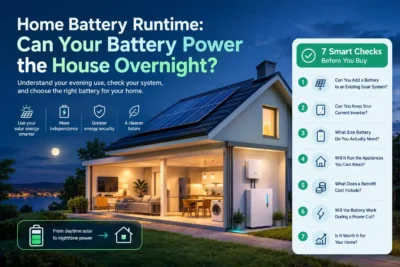
Radni vijek kućne baterije: može li vaša baterija napajati kuću preko noći?
Radni vijek kućne baterije ovisi o količini upotrebljive energije i što pokrećete. Baterija može održavati

Nadogradnja solarne baterije: 7 pametnih provjera prije kupnje
Nadogradnja solarne baterije znači dodavanje skladišta baterije postojećim solarnim panelima. U mnogim slučajevima možete zadržati

Je li kućna baterija od 5 kWh dovoljna? 5 ključnih provjera prije kupnje
Kućna baterija od 5 kWh može pokriti umjerenu večernju potrošnju električne energije ili održavati odabrane bitne uređaje tijekom nestanka struje. Bilo da
 English
 Polish
 Romanian
 German
 Dutch
 French
 Bulgarian
 Croatian
 Greek
 Czech
 Danish
 Estonian
 Finnish
 Swedish
 Hungarian
 Irish
 Italian
 Latvian
 Lithuanian
 Luxembourgish
 Maltese
 Portuguese
 Slovak
 Slovenian
 Spanish