


Table of Contents
LiFePO4 Lifespan: How Long Does It Last?
If you are asking “How long does a LiFePO4 battery last?”, the short answer is:
A well-made LiFePO4 battery can often last 8–15 years in real-world use, and many are rated for 2,000–6,000+ cycles depending on the depth of discharge, temperature, charging habits, and battery management system (BMS).
That said, lifespan is not a single fixed number. Two batteries with the same label can age very differently based on how they are used. In this article, we will break down what “lifespan” really means, what affects it, how to estimate it, and how to make your battery last longer.
What Does “Battery Lifespan” Actually Mean?
Before we talk about numbers, it is important to define the term correctly. In battery industry language, “lifespan” usually refers to two different things:
1) Cycle Life
Cycle life means how many full or partial charge-discharge cycles a battery can complete before its usable capacity drops to a defined threshold, often around 80% of original capacity.
For example, a battery rated for 4,000 cycles at 80% Depth of Discharge (DoD) means it can be charged and discharged around that many times under the test conditions specified by the manufacturer.
2) Calendar Life
Calendar life refers to how long a battery lasts simply over time, even if it is not used heavily. All batteries age naturally because of chemical changes inside the cells.
This is why a battery can be “unused” for years and still degrade if it is stored incorrectly, especially in high heat or at a high state of charge.
How Long Do LiFePO4 Batteries Typically Last?
LiFePO4 batteries are known for their long life compared with traditional lead-acid batteries. In many reputable manufacturers’ datasheets, you will see cycle-life claims such as:
- 2,000 cycles
- 3,000–4,000 cycles
- 5,000–6,000+ cycles
However, these numbers depend heavily on the test conditions. A battery rated for 6,000 cycles at shallow discharge may not achieve that same number under harsh real-world conditions.
A practical way to think about it:
- Light use, good temperature control, proper charging: 10+ years is realistic
- Daily cycling in storage or solar systems: often 8–12 years
- Extreme heat, deep discharge, poor charging setup: lifespan can be much shorter
The key lesson is this: do not judge a battery only by the cycle number on the label. Always check the test conditions in the datasheet.
What Is Depth of Discharge (DoD) and Why Does It Matter?
Depth of Discharge (DoD) tells you how much of the battery’s capacity you use in each cycle.
- 100% DoD = you used the full capacity
- 50% DoD = you used half the capacity
- 20% DoD = you used only one-fifth of the capacity
In general, the deeper you discharge a battery on a regular basis, the more stress you place on the cells.
Why shallower cycles are better
A LiFePO4 battery used in shallow cycles usually experiences less internal strain than one regularly drained close to empty. This is one of the main reasons LiFePO4 batteries last so long in solar storage systems or backup systems when properly sized.
Example
If you size your battery system so that you normally use only 30%–50% of its capacity each day, you are likely to extend its usable life compared with frequently using 90%–100%.
How Charging Habits Affect LiFePO4 Lifespan
Charging is one of the most important factors in battery health. A LiFePO4 battery does not like abuse from either overcharging or badly matched charging settings.
Key charging principles
- Use the correct charging voltage
- Avoid overcharging
- Avoid keeping the battery at 100% state of charge for long periods unless the application requires it
- Use a compatible charger, solar charge controller, or inverter-charger
- Make sure your charging profile matches LiFePO4 chemistry, not lead-acid settings
Why overcharging is harmful
Repeated overcharging or excessive time spent at a high state of charge can accelerate chemical aging. This does not usually cause immediate failure, but it can reduce long-term capacity and increase stress on the cells.
Best practice
If your system allows it, many users keep daily operation in a moderate range rather than constantly pushing the battery to full charge and then leaving it there for long storage periods.
Temperature: The Hidden Lifespan Killer
Temperature is one of the biggest factors affecting battery lifespan, and it is often overlooked.
High temperature
Heat accelerates chemical aging inside the battery. If a battery is installed in a poorly ventilated compartment, under direct sunlight, or near a heat source, its life expectancy can drop significantly.
Low temperature
LiFePO4 batteries can be used in cold environments, but charging below freezing can be risky unless the battery has a proper low-temperature protection system. Many manufacturers recommend avoiding charging at below 0°C / 32°F unless the battery includes heating or special protection.
Storage temperature matters too
Even if you are not using the battery, storing it in extreme temperatures can still shorten life.
Practical advice
- Avoid enclosed, hot battery boxes without ventilation
- Do not leave the battery in direct summer sun
- If the climate is cold, use a battery with low-temperature charging protection
- Store batteries in a cool, dry place whenever possible
Does Discharge Rate and Load Size Affect Lifespan?
Yes. The amount of current drawn from the battery matters.
A battery delivering high current all the time experiences more stress than one under moderate load.
Examples of heavy load situations
- Power tools
- Large inverters
- Motor starts
- Air conditioners or pumps with surge current
Why it matters
High current draw can increase heat and stress on the cells. It can also trigger BMS protection if the system is undersized.
What to do
When selecting a battery, leave enough margin:
- Choose a battery with sufficient continuous discharge rating
- Make sure peak surge current is supported
- Avoid running a battery too close to its maximum ratings all the time
Why the BMS Has a Direct Impact on Battery Life
The Battery Management System (BMS) is one of the most important parts of a LiFePO4 battery pack.
A quality BMS protects against:
- Overcharge
- Over-discharge
- Overcurrent
- Short circuit
- Temperature-related risks
Why balancing matters
A good BMS also helps balance cells so they stay closer in voltage and condition. Better cell balance usually means better long-term stability.
What happens with a poor BMS?
If protection is weak or balancing is poor, the pack may age unevenly. One weak cell can drag down the whole battery, reducing overall usable capacity and lifespan.
In EEAT terms, this is why battery system design matters, not just chemistry. A good LiFePO4 battery is not only about the cell type; it is also about the electronics that protect and manage it.
Cell Quality and Manufacturing Consistency Set the Lifespan Ceiling
Not all LiFePO4 batteries are built the same.
Why cell quality matters
If individual cells have poor consistency, the battery pack can become unbalanced faster. That can lead to reduced capacity, weaker performance, and earlier aging.
What to look for
- Clear product datasheet
- Transparent cell specifications
- Production consistency
- Proper cell matching and grading
- Reputable manufacturer or brand with support documentation
EEAT note
For a trustworthy battery article, avoid vague claims like “our battery lasts forever.” Instead, use manufacturer datasheets, test conditions, and recognized safety standards as evidence.
Lifespan Varies by Use Case
Different applications place very different demands on LiFePO4 batteries.
1) Home Energy Storage
This is one of the most common use cases. Batteries may cycle daily, so cycle life, temperature control, and BMS quality matter a lot.
2) RV / Camper / Marine Use
These batteries often face vibration, temperature swings, and movement. A secure installation and proper protection are essential.
3) UPS / Backup Power
Backup systems may sit idle for long periods and then discharge occasionally. In these cases, calendar life, storage conditions, and charging strategy become more important.
4) Off-Grid Solar
Solar systems can cycle every day, sometimes deeply. Proper sizing and charge-controller settings are critical for long life.
Installation and Cooling Also Affect Lifespan
Even the best battery can age faster if installed poorly.
Bad installation examples
- No ventilation
- Exposure to heat
- Tight enclosure with poor airflow
- Moisture or condensation
- Strong vibration or unstable mounting
Good installation habits
- Install in a cool, dry, well-ventilated area
- Keep away from direct heat sources
- Use secure mounting hardware
- Follow manufacturer spacing and orientation guidance
A well-installed battery often lasts longer simply because it runs cooler and more safely.
How to Maintain a LiFePO4 Battery for Longer Life
Daily maintenance does not need to be complicated.
Good habits
- Check terminals and cables regularly
- Keep the battery clean and dry
- Monitor BMS alarms or warnings
- Avoid leaving the battery fully charged for long storage periods unless required by the manufacturer
- If storing for a long time, keep the battery at a moderate charge level as recommended by the manufacturer
Long-term storage tip
Most battery makers recommend storing batteries in a partially charged state rather than fully empty or fully full. Always check the product manual or datasheet for the exact recommendation.
How to Tell If a LiFePO4 Battery Is Aging
No battery lasts forever. Signs of aging include:
- Shorter runtime than before
- Faster voltage drop under load
- The battery reaches full charge too quickly but delivers less usable energy
- More heat during charging or discharging
- BMS warnings or unexpected shutdowns
- Capacity inconsistency
If you notice these signs, it may be time to inspect the battery system, not just the battery itself. Sometimes the issue is the charger, controller, wiring, or BMS settings.
Practical Ways to Extend LiFePO4 Lifespan
Here are the most effective steps to make your battery last longer:
- Avoid constant deep discharges
- Use the correct charging profile
- Prevent overcharging
- Keep the battery cool
- Do not expose it to unnecessary heat
- Match the battery to the load size
- Use a quality BMS
- Choose a reputable manufacturer with transparent specs
- Store the battery properly when not in use
In simple terms: gentle operation = longer life.
LiFePO4 vs Lead-Acid vs NMC: Which Lasts Longer?
LiFePO4 vs Lead-Acid
LiFePO4 generally lasts much longer than lead-acid in cycle life and is often more suitable for daily-use storage systems.
LiFePO4 vs NMC (Lithium-ion)
NMC batteries often have higher energy density, meaning more power in a smaller and lighter package. But LiFePO4 usually offers better thermal stability and is often preferred in stationary storage and safety-focused applications.
Bottom line
If your priority is long life, safety, and daily cycling, LiFePO4 is usually one of the best choices.
How to Estimate How Many Years Your Battery May Last
A simple estimate is:
Cycle life ÷ number of cycles per day = rough number of days of use
Then convert to years.
Example
If a battery is rated for 4,000 cycles and you use 1 full cycle per day:
- 4,000 cycles ÷ 1 cycle/day = 4,000 days
- 4,000 days ≈ 11 years
This is only a rough estimate. Real life depends on:
- Depth of discharge
- Temperature
- Charging method
- Load size
- Battery quality
- BMS performance
So think of it as a planning tool, not a guaranteed promise.
What Should You Check When Buying a LiFePO4 Battery?
Before you buy, review these points:
- Cycle life test conditions
- DoD used in the test
- Continuous and peak discharge current
- Charging voltage range
- Low-temperature charging protection
- BMS specifications
- Warranty length
- Safety certifications
- Brand transparency and after-sales support
A product with a realistic datasheet and honest warranty is often more trustworthy than one with only exaggerated marketing claims.
EEAT: What Makes This Information Trustworthy?
To keep this topic aligned with Google’s EEAT principles, the best sources are:
- Manufacturer datasheets
These show actual test conditions, cycle-life claims, voltage ranges, and BMS details. - Industry safety standards
Examples include UL 1973, IEC 62619, and UN 38.3, which are commonly referenced for battery safety and transport testing. - Educational battery resources
Websites like Battery University provide widely cited explanations on battery aging, depth of discharge, temperature effects, and charging behavior. - Real-world application guidance
Solar, RV, and storage system manuals often explain proper charge settings and installation requirements.
When you write or read battery content, always prefer sources that show testing conditions, not just marketing claims.
Common Misunderstandings About LiFePO4 Lifespan
Myth 1: “If I fully charge it, I will damage it immediately.”
Not necessarily. The real issue is repeated overcharging or poor storage habits, not a normal full charge by itself.
Myth 2: “LiFePO4 batteries never need maintenance.”
They need less maintenance than lead-acid, but they still require proper temperature control, charging settings, and periodic inspection.
Myth 3: “All LiFePO4 batteries last the same amount of time.”
False. Cell quality, BMS design, operating temperature, and usage patterns all change the outcome.
Frequently Asked Questions
Can a LiFePO4 battery really last 10 years?
Yes, many can—especially in well-designed systems with proper charging and temperature control. But 10 years is not automatic; it depends on use and quality.
Will daily cycling destroy it quickly?
No. LiFePO4 is designed for cycling. Daily use is normal, but deeper cycles and poor temperature management will reduce life.
When should I replace it?
Replace the battery when capacity loss, voltage sag, or BMS issues make it no longer suitable for your application.
How should I store it long term?
Follow the manufacturer’s storage guidance. In general, store it in a cool, dry place at a moderate state of charge rather than empty or fully charged.
Final Verdict: What Is the Real Lifespan of a LiFePO4 Battery?
The true lifespan of a LiFePO4 battery depends mainly on four factors:
- Depth of Discharge (DoD)
- Temperature
- Charging method
- BMS and battery quality
If you use the battery correctly, LiFePO4 can be an excellent long-term solution for solar storage, RVs, home backup, and other daily-use applications. If you abuse it with heat, poor charging, or constant deep discharge, even a premium battery will age faster than expected.
Related Articles
LiFePO4 Lifespan: How Long Does It Last?
If you are asking “How long does a LiFePO4 battery last?”, the short answer is: A well-made LiFePO4 battery can often
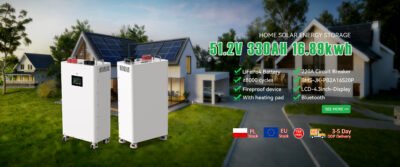
Lifepo4 Batteries: The Reliable, Long-Lasting Choice for Energy Storage
Imagine the lights flicking off on a freezing winter evening—your heater cuts out, your phone’s dying, and the grid update