

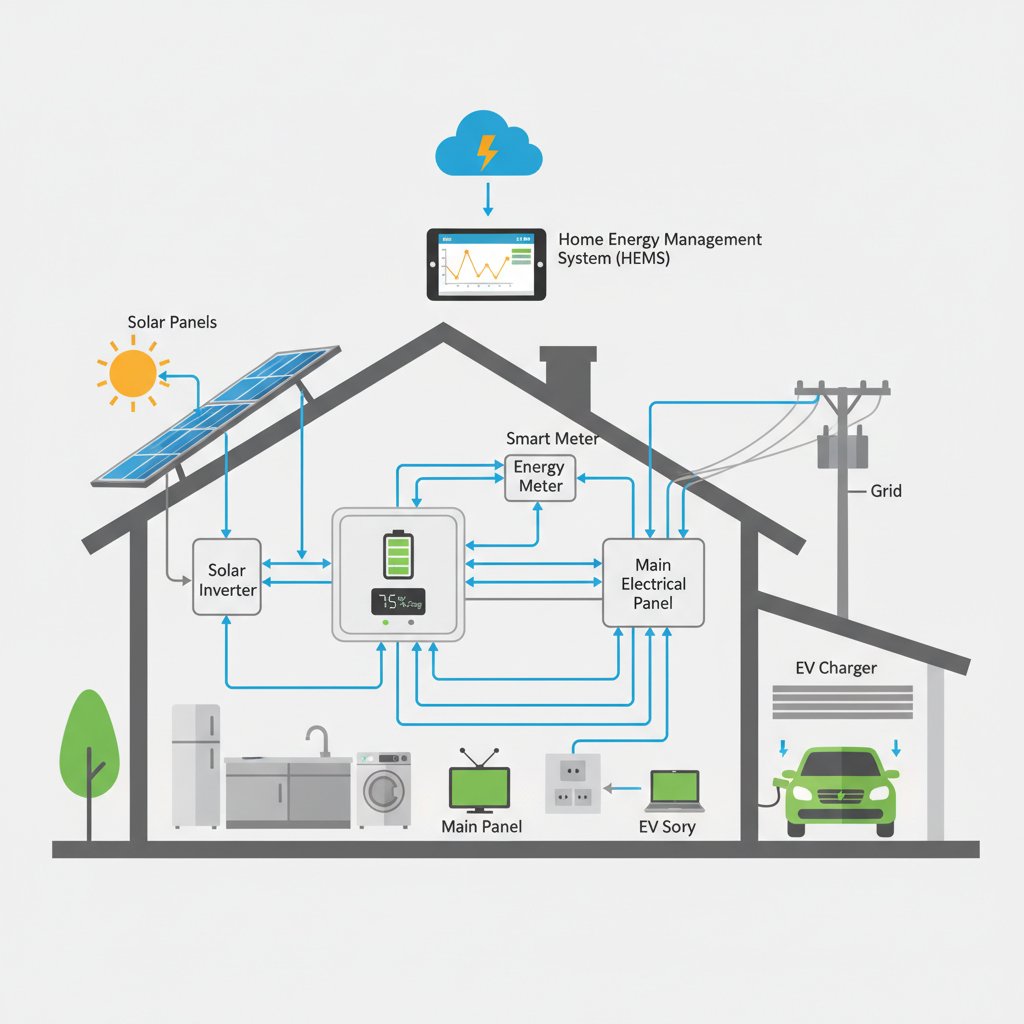
With the advancement of carbon neutrality goals and fluctuations in energy prices, domestic green electricity systems are evolving from an “environmental choice” to an “economic necessity”. By integrating photovoltaic power generation, energy storage, and intelligent management technologies, these systems enable households to achieve energy self-sufficiency, reduce electricity costs, and enhance power supply resilience.
The core value of domestic green electricity systems lies in the digital integration of the entire chain encompassing generation, storage, management, and application. The photovoltaic plus energy storage independent power supply model, primarily relying on photovoltaic generation and lithium-ion battery storage, converts direct current to alternating current via inverters, thereby fundamentally meeting household electricity demands. Among existing energy storage system (ESS) solutions, electrochemical batteries—particularly lithium-ion batteries—are most widely deployed due to their superior energy efficiency and medium-to-short-term storage capabilities. However, their operational lifespan is inevitably affected by battery degradation. Extending the longevity of lithium-ion batteries is therefore an essential consideration for households employing energy storage systems.
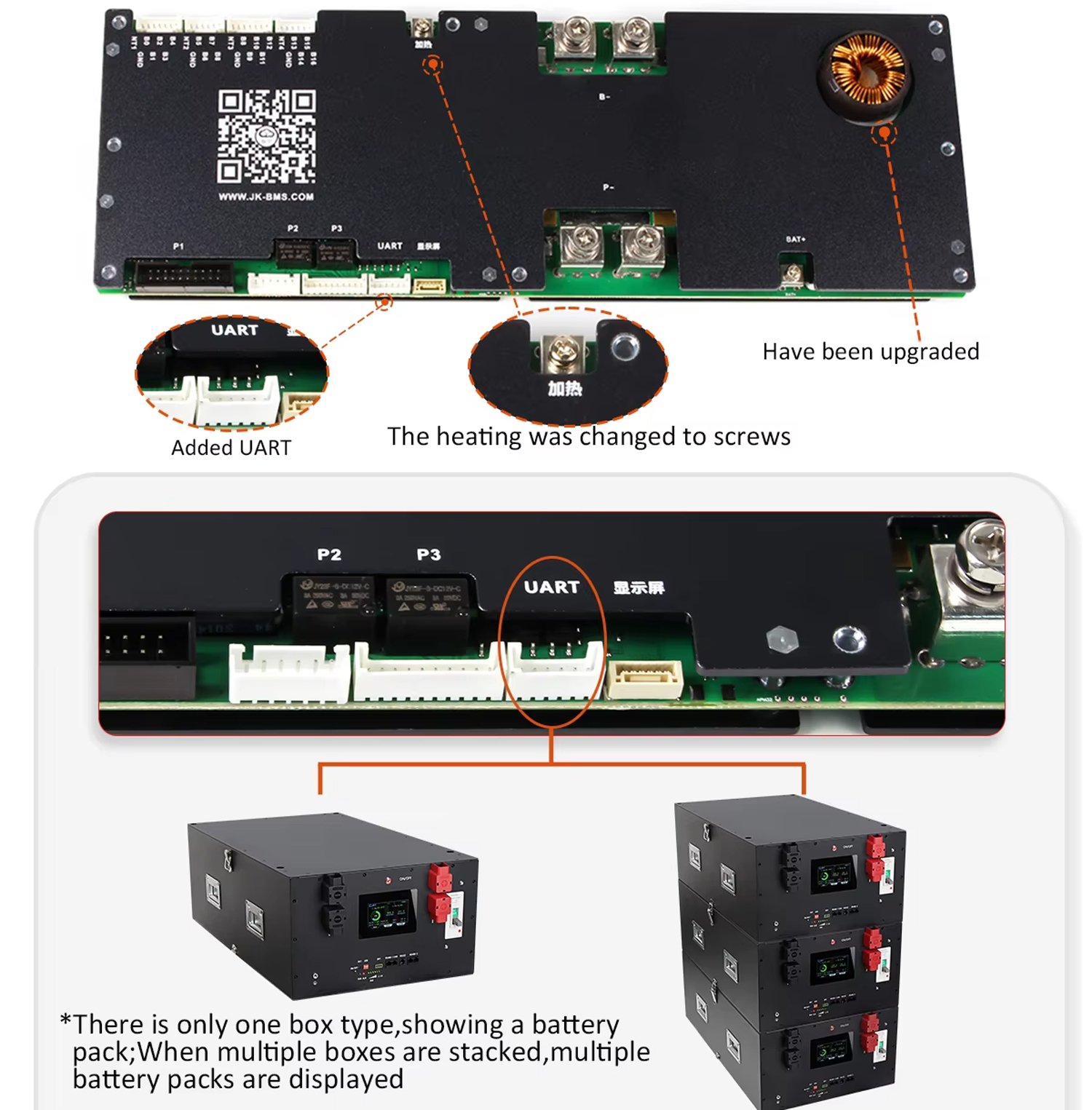
All modern lithium batteries incorporate a Battery Management System (BMS) which monitors the voltage, temperature and charging rate of the internal cells. Should it detect issues, low voltage or voltage spikes, the BMS will also disconnect the battery. However, the BMS has limited effectiveness in preventing the battery from operating outside optimal conditions. Consequently, these four rules will help extend battery life, enhance system reliability and reduce the risk of premature failure.
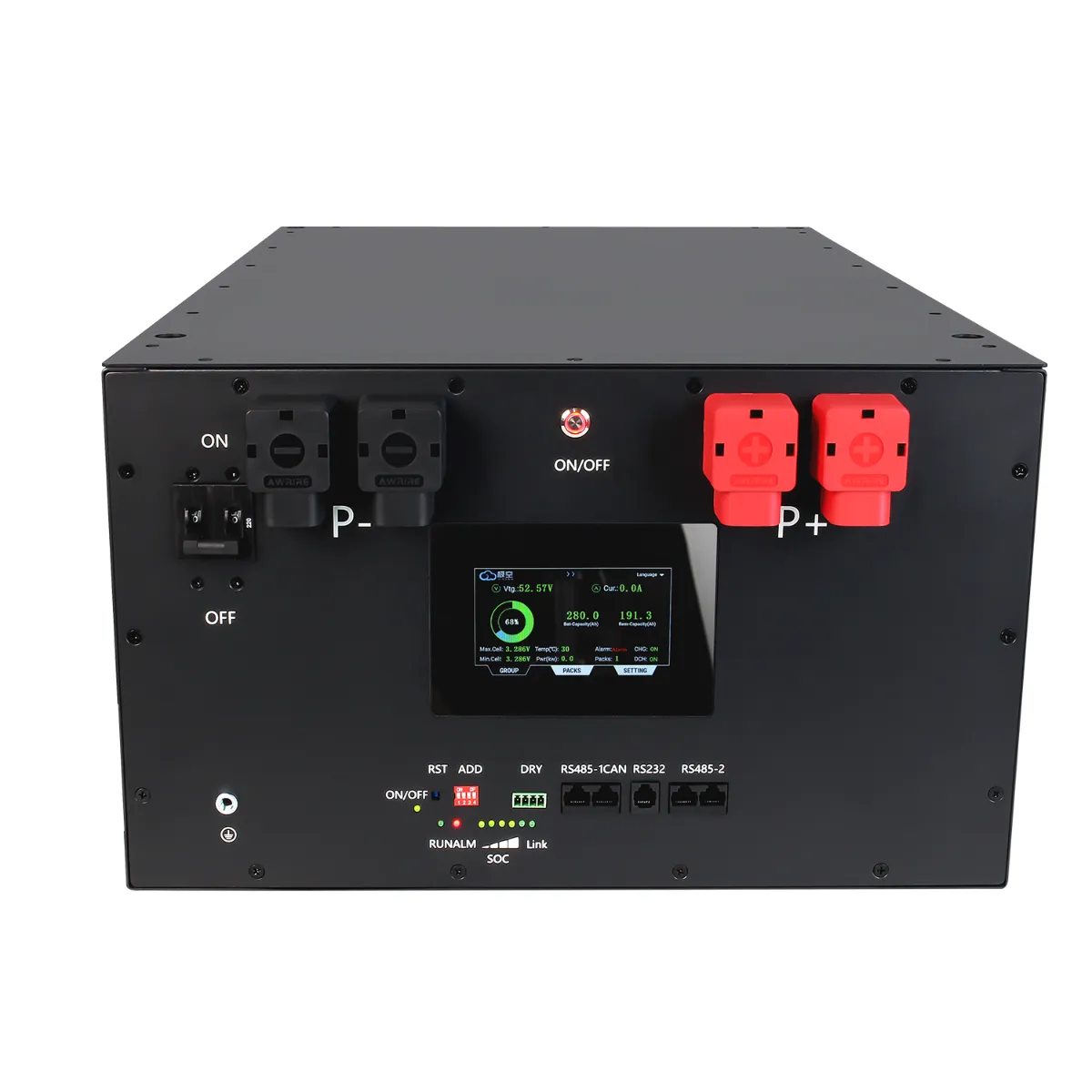
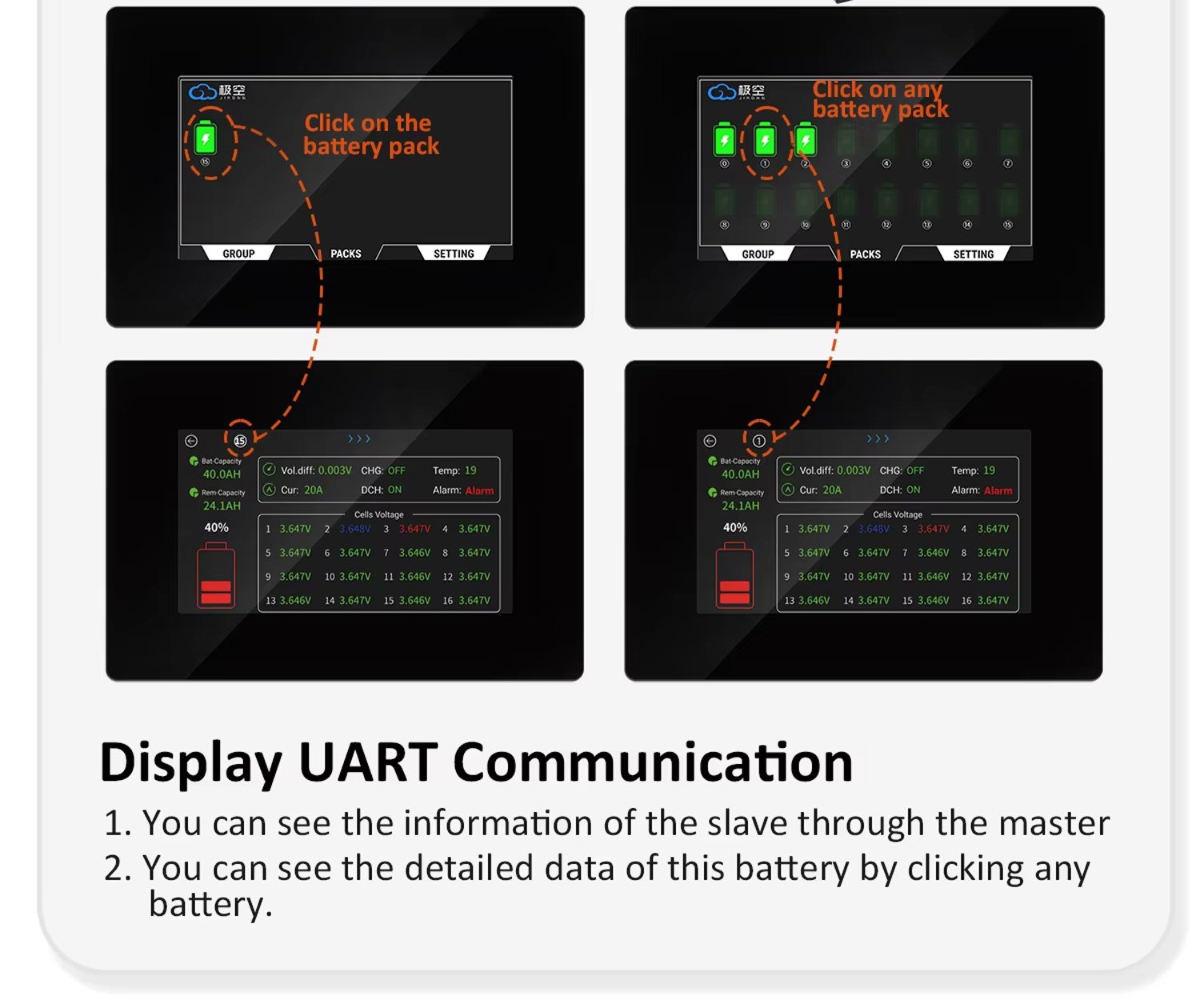
1、A general rule for daily operation is to use no more than 80% of the total battery capacity. This means the SOC should not go below 20% unless in an emergency. This is to ensure some battery capacity remains during a blackout. As explained later in this article, deeply discharging an LFP battery below 10% can cause the inverter to shut down due to low voltage, especially when under high or surging loads. As batteries age, capacity is slowly lost, which is more likely to result in low voltage events, a common issue with older self-managed lithium batteries.
2、Prolonged high temperatures above 45°C (113°F) accelerate degradation and possible thermal expansion, while cold temperatures below 0°C (zero) will reduce performance and can dramatically decrease charge rates. Cold temperatures below freezing can result in battery shutdown if the battery is not insulted correctly. Battery systems should be protected from temperature extremes, and charging should be carefully regulated if operated outside the recommended temperature range. While cold temperatures can damage the battery if it is (force) charged too quickly, prolonged high temperatures above 45°C will cause accelerated degradation, no matter the charge rate.
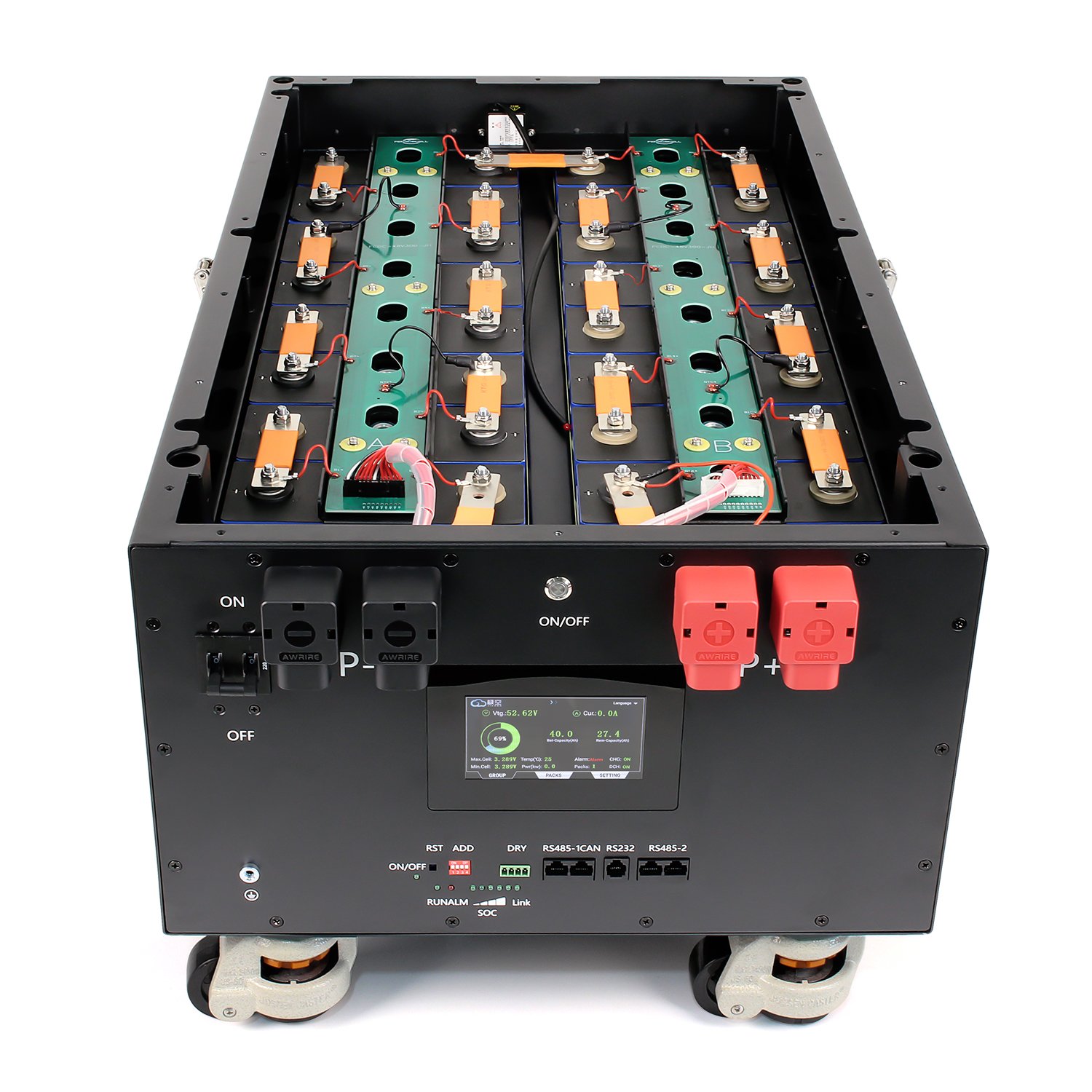
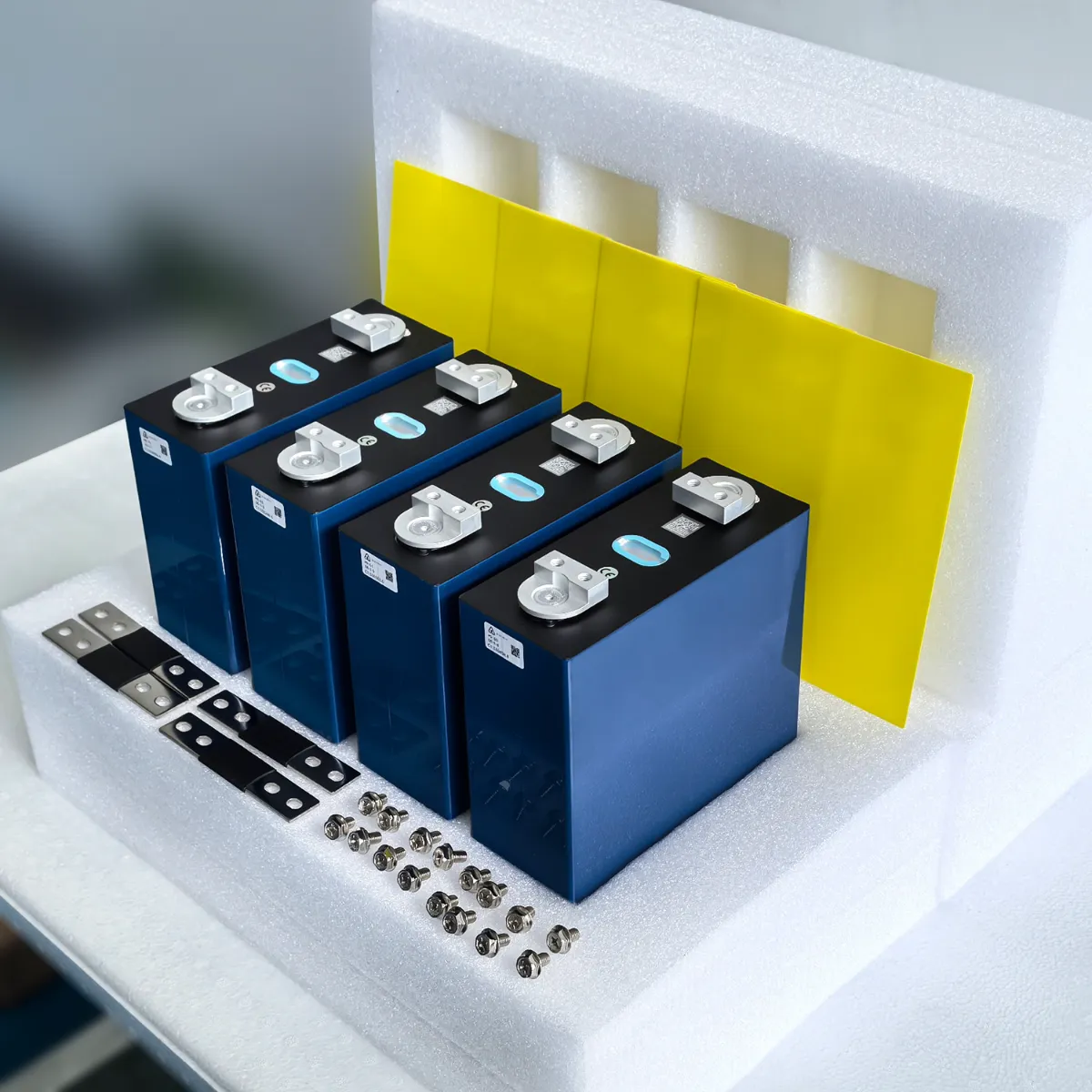
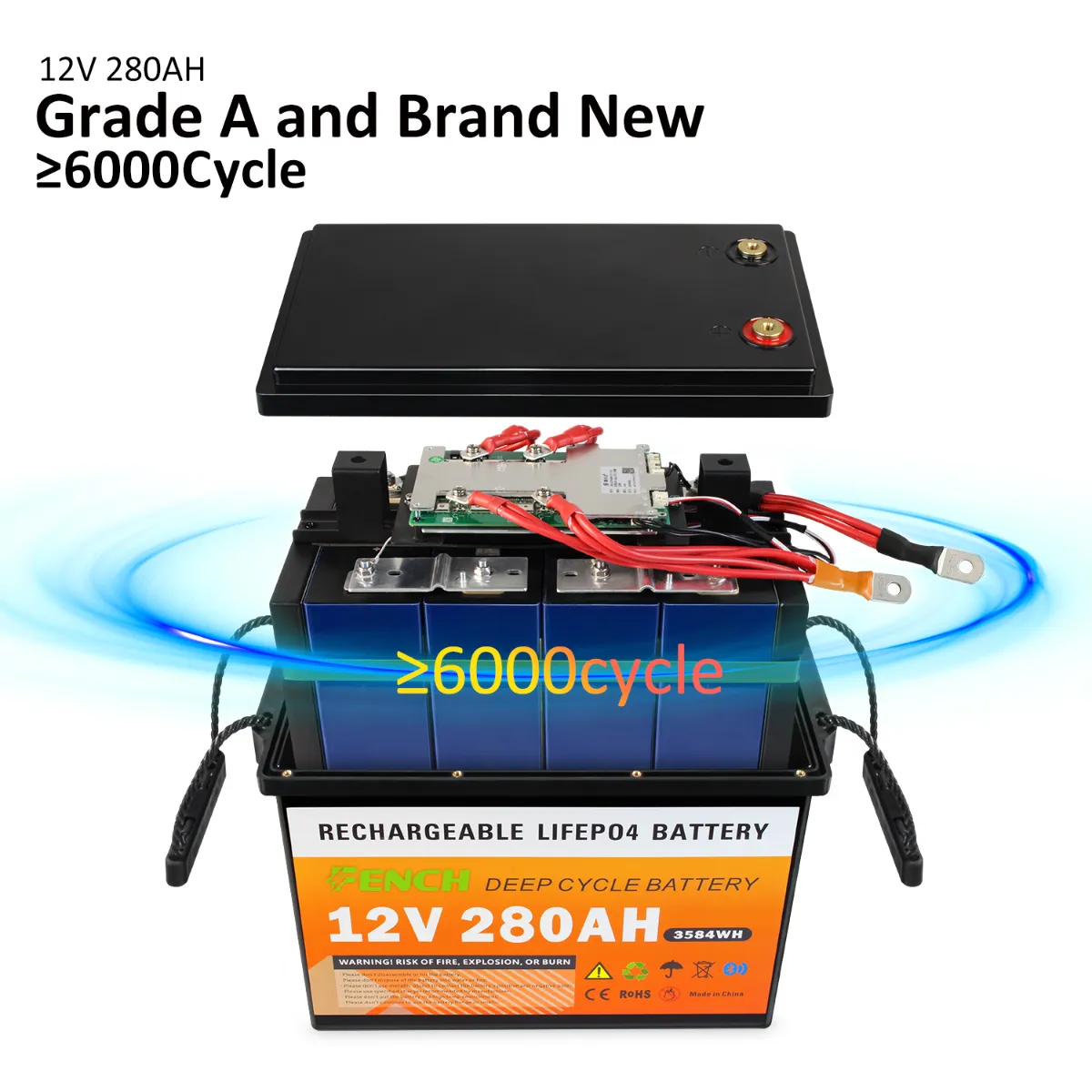
3、Charge LFP batteries to 100% every 7 to 10 days to top balance the cells and ensure all battery modules are at a similar SOC. However, if the battery is not used regularly, such as in an off-grid vacation home, the battery should not be held at 100% SOC for a prolonged amount of time (more than 2 or 3 months). In this instance, battery SOC should be reduced to 50 to 60% for LFP batteries. Vacation homes with LFP batteries could be shallow cycled if you have a load on a timer. Refer to the manufacturer’s guidelines for prolonged storage periods.
4、Charging too quickly adds internal stress and can heat the cells, increasing degradation. Generally, the BMS will manage the charge rates to avoid these issues, but the inverter should also be configured and sized correctly so as not to overcharge the battery. Ensure the battery charge rate settings match the manufacturer’s specifications (maximum C rate). LFP batteries should be charged at a rate of 0.5C or C/2 to reduce thermal stress. In basic terms, this means it should take approximately two hours to charge a low battery. For example, a flat battery with 10kWh capacity should be charged at a maximum rate of 5kW for 2 hours. However, 3 to 4 hours would be ideal, especially in higher ambient temperatures.
In summary, home energy storage systems are not merely technological products but crucial vehicles for energy democratisation. By empowering households to take control of energy production and management, they drive the global energy transition from centralised to distributed models. With North America continuing to lead the market and Europe's policies providing strong impetus, businesses must focus on technological innovation as a breakthrough point. Meanwhile, domestic users need to achieve a balance between energy costs and environmental benefits through scientific planning, collectively accelerating the global journey towards carbon neutrality.