

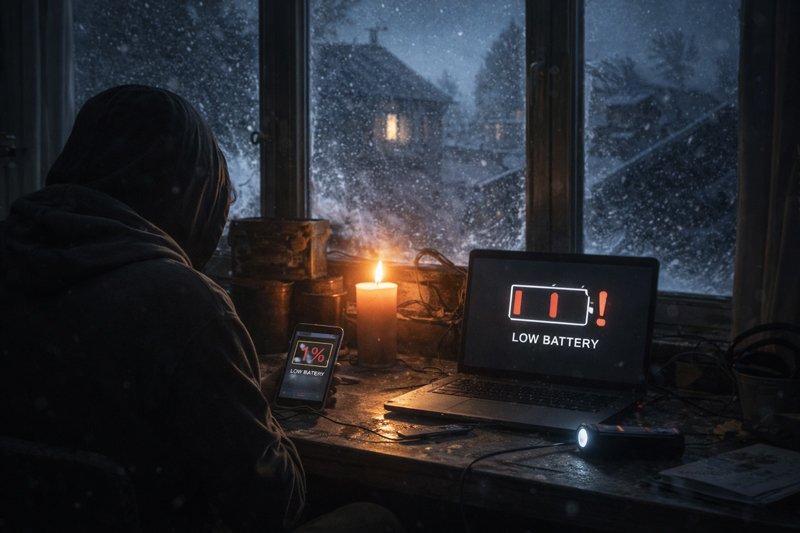
Imagine the lights flicking off on a freezing winter evening—your heater cuts out, your phone’s dying, and the grid update says repairs will take hours. In moments like that, the battery in your home energy storage system isn’t just a piece of tech; it’s a lifeline. These days, more and more of those lifelines run on lithium iron phosphate (LiFePO4, or LFP) cells. In the chaos of the energy transition, this battery tech hasn’t just carved out a niche—it’s become the quiet workhorse powering everything from budget EV to massive grid storage banks. It’s not just about storing electricity; it’s about storing peace of mind.

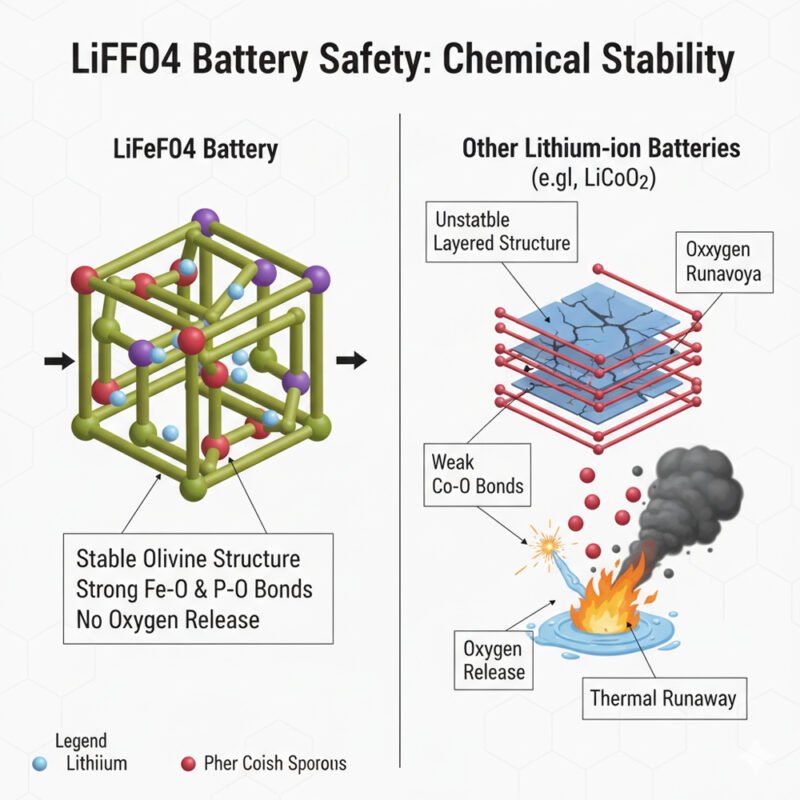
At its core, an LFP battery is pretty straightforward. The positive electrode uses lithium iron phosphate, the negative is usually graphite, and between them sits an electrolyte that lets charged particles move. Think of lithium ions as commuters: when you charge the battery, they pack up and head from the positive to the negative electrode, tucking into the graphite’s layers. When you need power, they make the return trip, and electrons flow through an external circuit to light your home or turn your car’s wheels. The secret sauce? That lithium iron phosphate has an olive-shaped crystal structure—tough as nails, even when things get rough.
So what makes this battery stand out in a crowded market? Let’s start with the big one: safety. I’ve seen test footage of other batteries erupt into flames when punctured; LFP cells? They might get warm, but that rock-solid P-O bond in their structure holds fast. No collapse, no runaway heat, barely a whimper. That’s why automakers put them in family cars and utilities use them in neighborhood storage plants—when safety is non-negotiable, this is the battery they reach for.
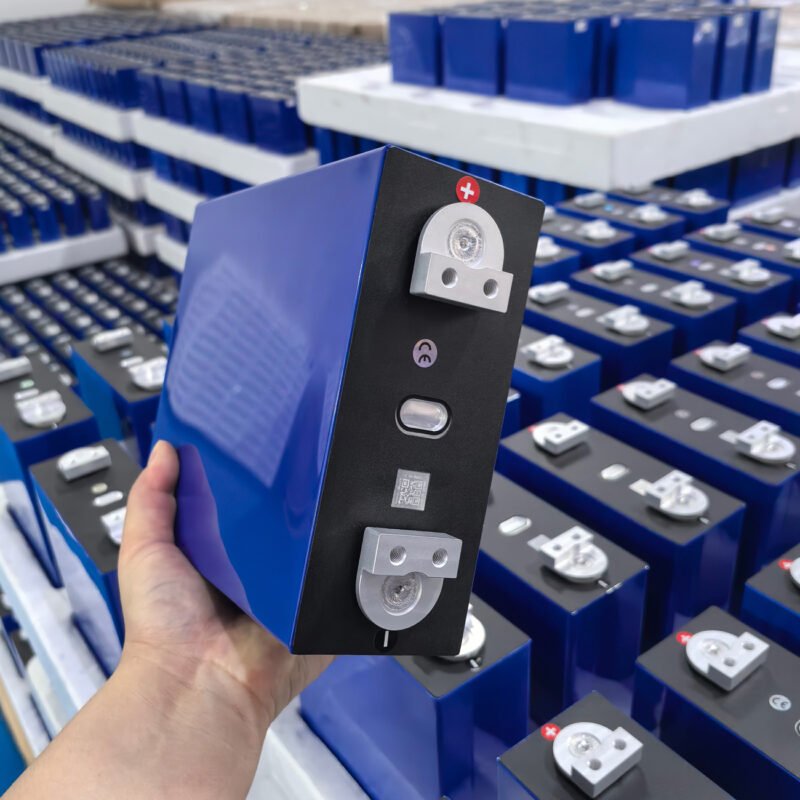
In addition to outstanding safety performance,its stamina is even more impressive. Most lithium-ion batteries start to fade after a few thousand charge cycles, but LFP? We’re talking 2,000 to 8,000 cycles—enough to power a home storage system for over a decade. That longevity changes the math. You’re not replacing batteries every three or four years; you’re investing in something that grows with you. Lower maintenance, fewer replacements, and over time, it ends up being way more cost-effective than flashier alternatives.
It’s also a bit of a tough cookie in heat. In places like Arizona, where summer temps regularly hit 100°F, other batteries might lose capacity or degrade faster. Lifepo4? It keeps chugging along, barely breaking a sweat. That’s a big deal for industrial sites or outdoor storage setups where cooling systems would add extra cost.
Cost, by the way, is another huge win. Unlike ternary lithium batteries that rely on scarce, pricey metals like nickel and cobalt, LFP feeds on iron, phosphorus, and lithium—materials that are way more abundant. Anyone who has been to battery component warehouses knows,that difference shows up in the price tag. Combine that with its long life, and suddenly the upfront cost feels a lot less intimidating.
And let’s not forget the planet. No heavy metals like lead or cadmium here—when an LFP battery reaches the end of its life, recycling it is simpler and less toxic. It’s not perfectly green (no battery is), but it’s a clear step up from older tech,At a time when all of humanity is committed to environmental protection.
Under identical dimensions, lithium iron phosphate batteries deliver significantly shorter range compared to ternary lithium batteries. Consequently, it is rare to find lithium iron phosphate batteries in electric vehicles designed for extended range. Cold weather also throws it a curveball; below freezing, it loses capacity fast, and charging slows to a crawl. In places like northern Sweden or Finland, you’ll need a heating system to keep it happy
—hardly a dealbreaker, but something to plan for. Its electron conductivity isn’t top-tier either; engineers have fixed most of that with nanotech and carbon coatings, but it still lags behind some high-nickel ternary cells.
But here’s the thing: most of us don’t need a battery that does everything. For a city commuter who drives 30 miles a day, an LFP-powered EV is perfect. For a homeowner wanting backup power during storms, its safety and longevity beat energy density every time. Especially in places where winter temperatures routinely dip below freezing and the power grid occasionally “acts up.”,a storage system with LFP batteries isn’t just a nice-to-have—it’s the most reliable backup you can get.
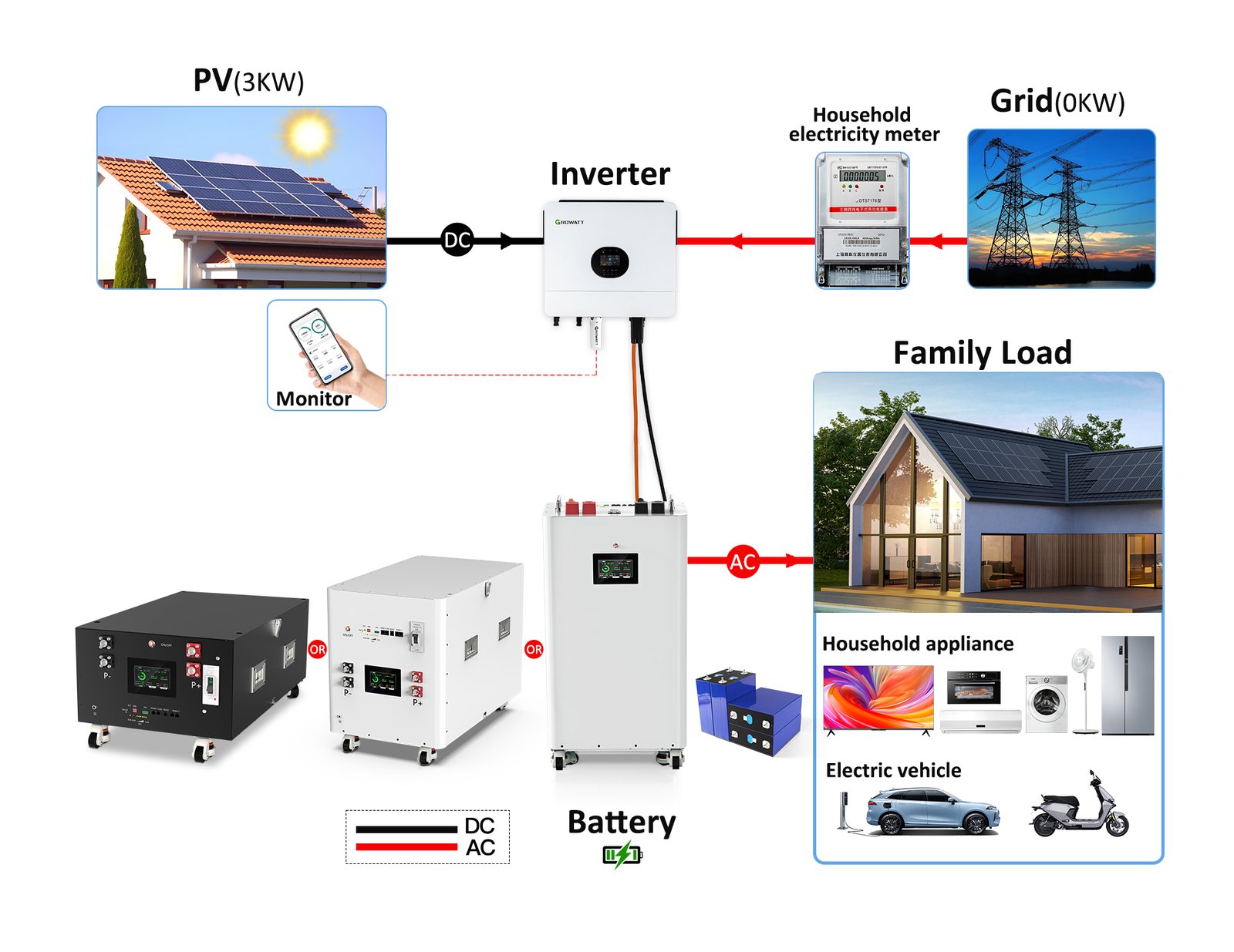
This battery tech doesn’t shout about its strengths; it just delivers on them, day in and day out. In a world where energy uncertainty feels constant, that kind of dependability is worth its weight.